


Cake Wallet Adds Zcash With Shielded Transactions by Default
Cake Wallet has integrated Zcash (ZEC) with shielded transactions enabled by default. This ensures all outgoing transactions originate from shielded addresses, concealing sender, receiver, and amounts for maximum privacy.

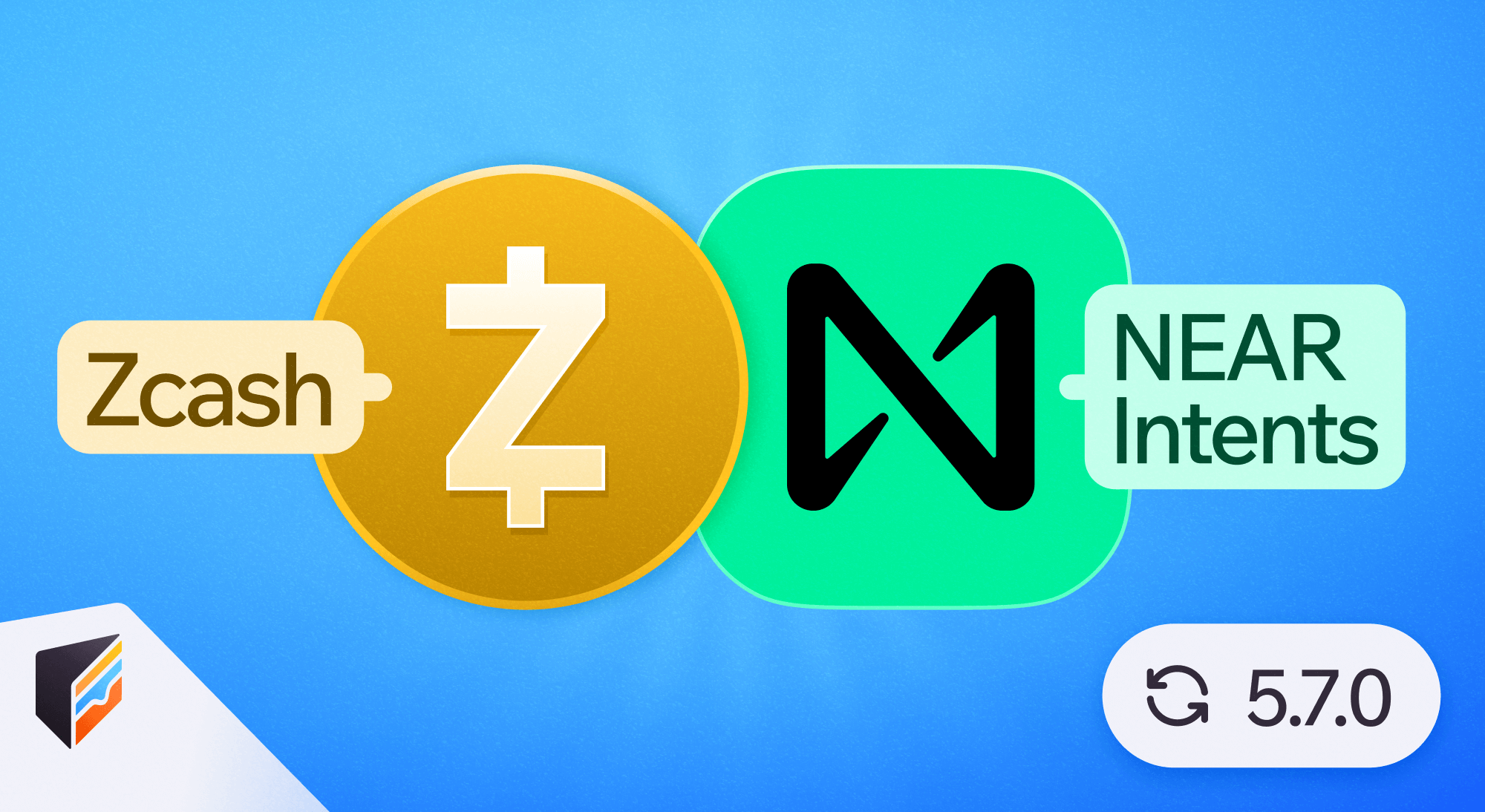
January 15, 2026 — Cake Wallet, a popular privacy-focused crypto wallet, today announced the addition of Zcash (ZEC) in v5.7.0, with shielded transactions by default, autoshielding, and advanced privacy features tailored for real-world use.
Zcash is a privacy-focused cryptocurrency that gives you the option to make transactions private using "shielded addresses," which conceal sender, receiver, and transaction amounts. While many cryptocurrencies expose details publicly by default, Zcash offers users the ability to transact privately.
Cake Wallet enables shielding by default, so while users can send funds to transparent addresses, all transactions originate from a shielded source. Autoshielding automatically moves incoming funds to shielded addresses upon receipt, no manual steps required. Outgoing transactions never originate from transparent (T-) addresses, eliminating accidental privacy leaks, while rotating t-addresses minimize linking risks during swaps like those highlighted by blockchain investigator ZachXBT. Background sync on Android keeps wallets instantly ready, and passphrase support adds an extra security layer. This ensures users’ balances and transaction history remain private, while staying compatible with the broader Zcash ecosystem.
“Privacy should not be an advanced setting,” said Vikrant Sharma, Founder and CEO of Cake Labs, creators of Cake Wallet. “By enforcing shielded transactions by default, we’re making strong privacy protections the standard experience, not an optional extra.”
The addition of Zcash comes amid repeated community requests and renewed interest in privacy-focused cryptocurrencies. In 2025, Zcash recorded one of the strongest performances among large-cap privacy assets.
“Cake Wallet builds Zcash as we’d want it for our users: modern, shielded-by-default, with rotating t-addresses, AnyPay cross-chain payments, background sync, passphrase wallets, shielded NEAR swaps, and real-world utility via Cake Pay, all under one recovery seed,” said Seth For Privacy, COO of Cake Labs, in the Zcash community forum. “The attention on privacy coins will come and go, but the underlying demand is clearly growing. What the recent cycle showed is that users increasingly care about who can see their financial activity, and that demand isn’t going away in 2026 or beyond.”
Cake Wallet now supports a growing suite of privacy-oriented tools, including Monero, Bitcoin Silent Payments and PayJoin v2, Litecoin MWEB, and now shielded Zcash with in-app shielded swaps via NEAR Intents, AnyPay for seamless cross-chain payments (e.g., paying Bitcoin addresses with ZEC), and Cake Pay for converting ZEC to gift cards or debit cards. Monero remains a core part of Cake Wallet’s identity, with a dedicated Monero-only app available at monero.com. A single recovery seed manages multiple wallets and coins for true self-custody.
Important Migration Note: As Zashi uses a different change address approach, restoring a Zashi seed in Cake Wallet won't show all funds. Create a new Zcash wallet in Cake and transfer funds, see the step-by-step migration guide.
These updates expand Cake Wallet’s self-custodial ecosystem, giving users greater access to privacy-preserving currencies while maintaining full control over their funds.
About Cake Wallet
Cake Wallet is an open-source, self-custodial wallet that aims to simplify crypto for everyone. It supports major cryptocurrencies and stablecoins and provides seamless swaps, self-custody, and advanced privacy features, including Silent Payments and Tor integration.