


Open-Source Bio-Logger Offers New Window into Whale Communication
Open-source bio-logger from Harvard SEAS captures rich acoustic and behavioral data from free-swimming sperm whales, enabling ML-driven marine bioacoustics research and democratizing access for scientists worldwide.

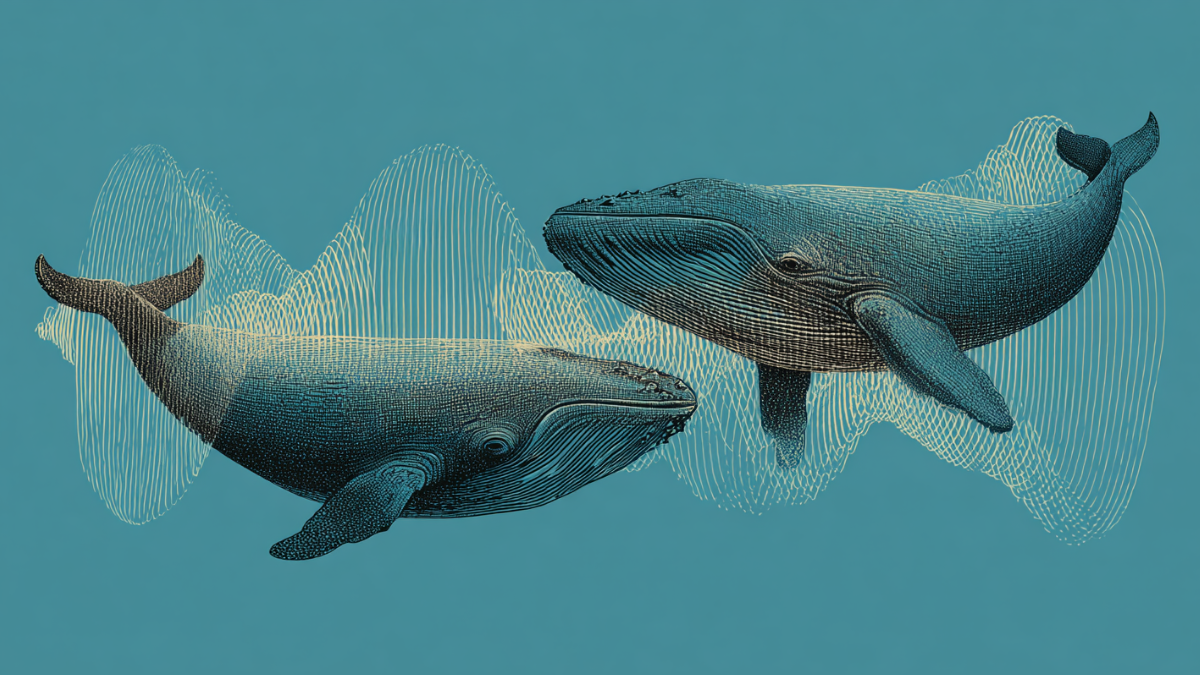
Researchers at Harvard John A. Paulson School of Engineering and Applied Sciences, as part of the inter-institutional Project CETI (Cetacean Translation Initiative), have developed an open-source bio-logger capable of capturing high-quality acoustic and behavioral data from free-swimming sperm whales. The technology is intended to support advanced analyses of whale sound patterns and behavior using machine learning and could broaden access to marine bioacoustics research.
The bio-logger, described in a press release from Harvard SEAS, adheres non-invasively to the whale’s skin via suction cups and records multi-channel audio along with synchronized physical and environmental data, such as depth, movement, temperature and light. Designed with machine learning workflows in mind, the device collects large datasets of rhythmic whale sounds — known as “codas” — and contextual cues that may help researchers uncover structured communication patterns that are not apparent to the human ear.
One of the notable strengths of this platform is that all hardware designs and software are open source, meaning the bio-logger’s components, code and deployment methods are publicly available for scientists worldwide to study, adapt, and improve. This open distribution is intended to lower barriers for marine biologists, acoustic researchers and interdisciplinary teams to participate in large-scale studies of cetacean behavior and communication.
In early field deployments off the coast of Dominica in the Caribbean, the bio-logger has already collected rich audio and sensor data from deep-sea dives, where sperm whales can remain submerged for up to an hour. The robustness and multi-sensor capacity of the device enable researchers to gather detailed behavioral context alongside acoustic recordings, providing a much richer dataset for analysis than traditional tags that capture only vocalizations or simple motion data.
Project CETI’s broader mission is to unravel complex aspects of whale communication by combining insights from marine biology, linguistics, robotics and artificial intelligence. The open-source nature of the bio-logger is a strategic choice to encourage community-driven innovation and extension of the technology to other species and research questions. As one team member noted, making tools and data openly available “democratizes … marine science” and lays the groundwork for collaborative, large-scale investigations into non-human communication systems.