



Uganda's Youth Embrace Bitchat as Election Approaches
Bitchat, a Bluetooth mesh messaging app, is surging in Uganda as citizens brace for a possible election internet blackout. After Nepal and Indonesia, over 1% of Ugandans have downloaded Bitchat, showing how “freedom tech” is redefining communication under government censorship.

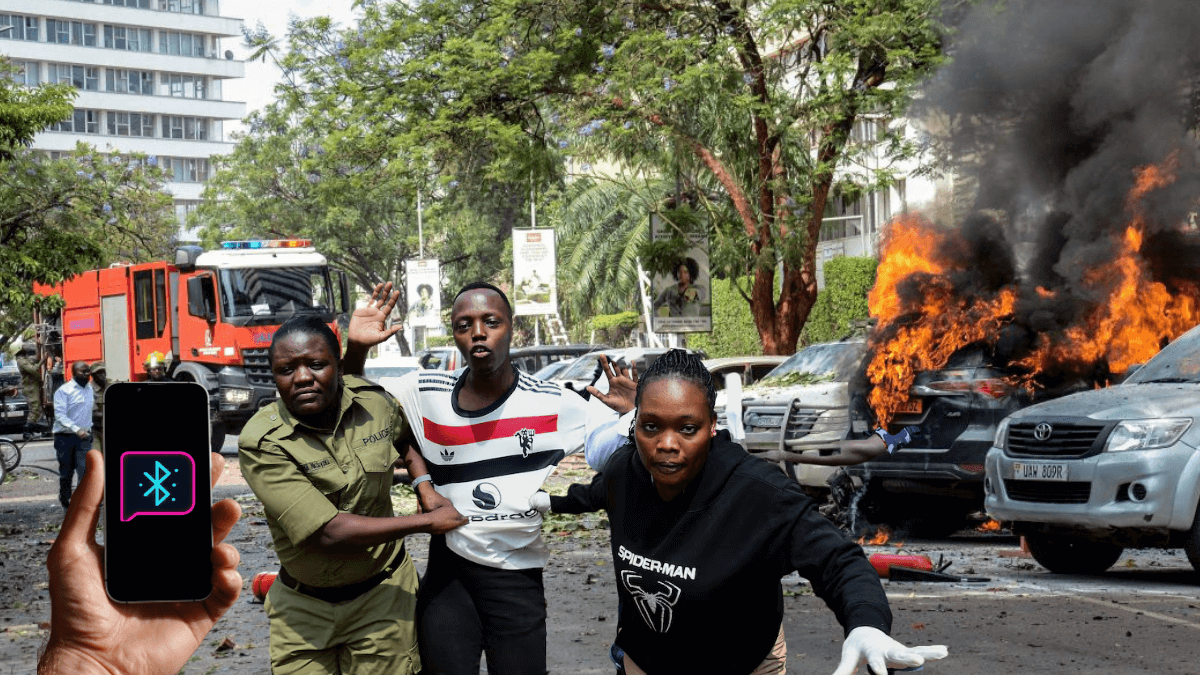
Three months after Nepal's protests drove a surge in decentralized messaging, Uganda is following the same playbook. Nearly 1.6 million Ugandans, over 1% of the population, have downloaded Bitchat in recent days as opposition leader Bobi Wine warns of an internet blackout ahead of the January 15 presidential election.
1% of uganda's population has just downloaded bitchat for android https://t.co/i7MzcEaV9k pic.twitter.com/TH7S1uCzEo
— calle (@callebtc) January 6, 2026
President Yoweri Museveni, in power for 40 years, previously cut internet access during the 2016 and 2021 elections. Wine alleges the government "switches off the internet to block communication and ensure citizens cannot organize, verify election results, or demand accountability over election theft."
Uganda's communications director, Nyombi Thembo, responded by threatening to block Bitchat, claiming the government has "the highest concentration of software engineers" capable of shutting down the platform. But as Bitchat developer Calle pointed out, blocking a Bluetooth mesh network isn't that simple.
Dr. Sserunjogi Emma, a Ugandan medical doctor, explained on X how Bitchat's mesh network functions: "Each person becomes a node. With Bluetooth range creating connections between neighbors, 10,000 people on the streets become an unstoppable communication network. Government can cut internet, but they can't stop Bluetooth without placing signal jammers everywhere, economically impossible during a moving demonstration."
The pattern is becoming clear. Nepal saw Bitchat usage spike from zero to 48,781 users on September 8 during anti-corruption protests after the government banned Facebook, WhatsApp, Twitter, and Instagram. Indonesia followed with similar adoption during protests. Now Uganda.
When governments threaten communication blackouts, citizens migrate to tools governments cannot control. The technology exists. The adoption is happening. And it's accelerating with each new crisis.
As one Reddit user in Nepal noted during their protests: "Bitchat works without internet. Perfect for situations like tomorrow."
The Ugandan government denies plans for an internet blackout, with officials calling reports "mere rumors." But citizens aren't taking chances. Google Trends shows searches for "Bitchat" in Uganda spiked from zero to 100 following Wine's appeal, with "Bitchat apk download" and "how to use Bitchat" ranking as breakout search terms.
The government also recently restricted imports of Starlink satellite internet equipment, eliminating another potential workaround for internet censorship.
Freedom tech isn't just for protesters. It's infrastructure for anyone who believes communication should remain possible regardless of who controls traditional networks. In an increasingly unstable world where governments routinely weaponize internet access as a tool of control, that's everyone.